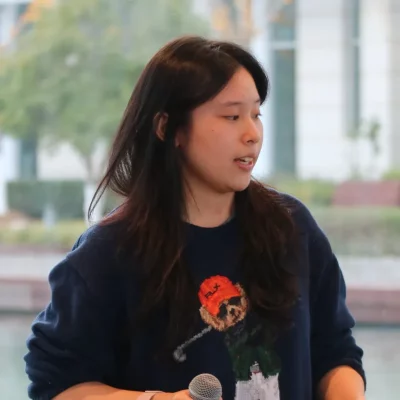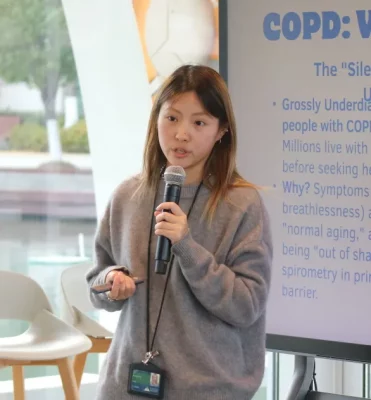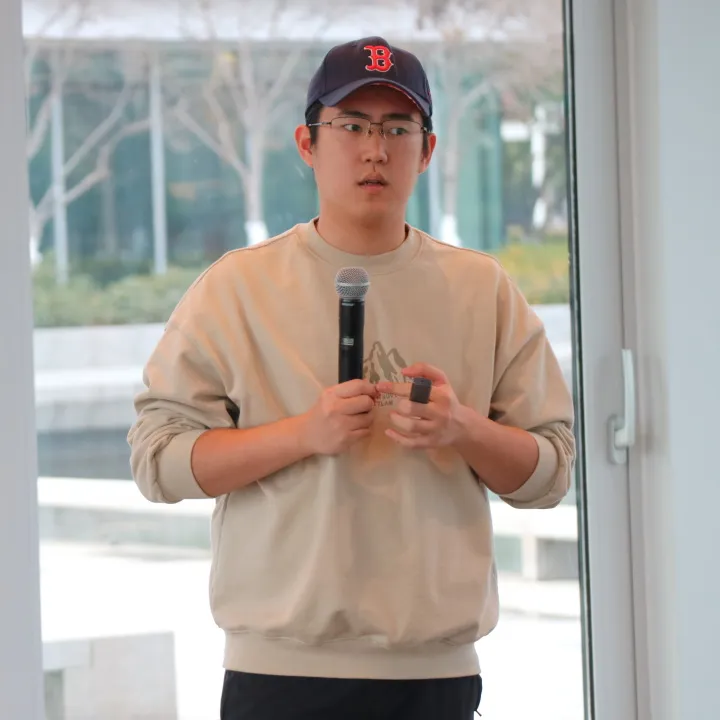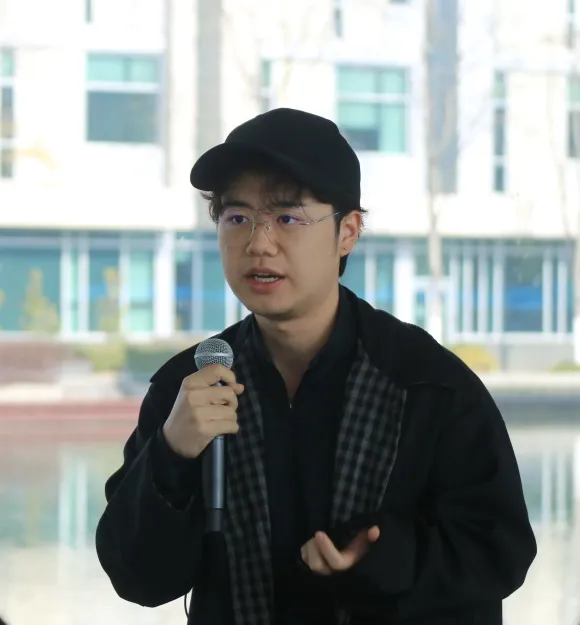
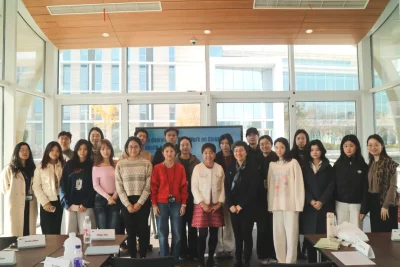
From November 30 to December 2, 2025, the Master of Global Health Program at Duke Kunshan University hosted the “Global Health Innovation for Impact: From Idea to Scale” Winter Camp.
The three-day program brought together leading scholars and industry leaders in global health and biotechnology. Structured around three core modules—from problems to innovative solutions, bringing global health innovations to market, and scaling and sustainability—the Winter Camp offered a rich learning experience through lectures, panel discussions, site visits, and group-based practical activities. The program provided a platform for knowledge sharing and hands-on exchange for more than 20 undergraduate and graduate students from global health–related disciplines.
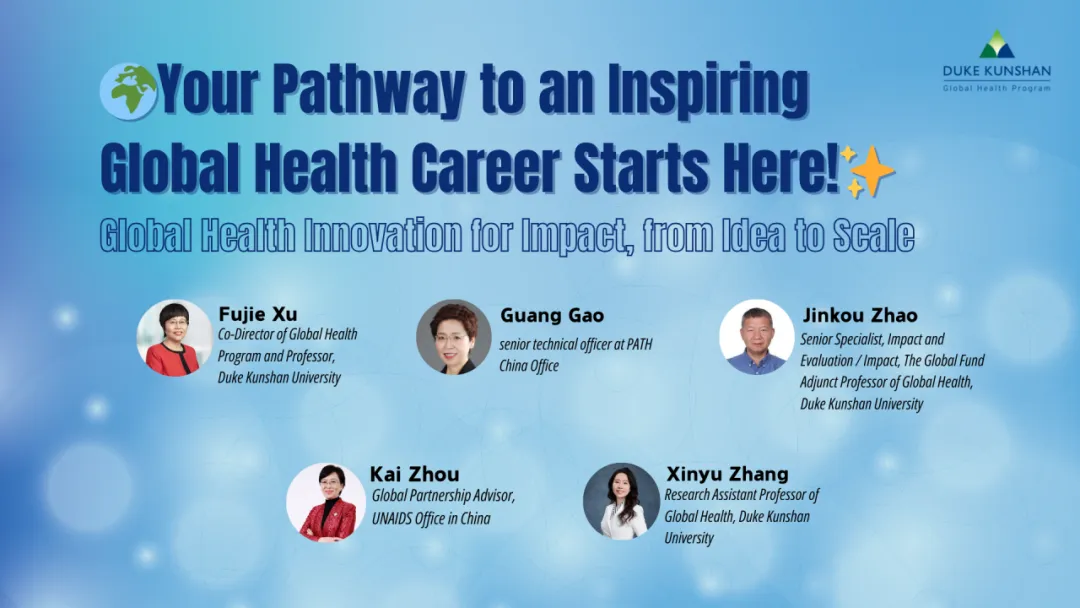
Learning from Real-World Cases
From “Problems to Innovative Solutions” Session, three experts from leading international global health organizations were invited to connect concrete global health challenges with innovation in products, models, and solutions from diverse perspectives.
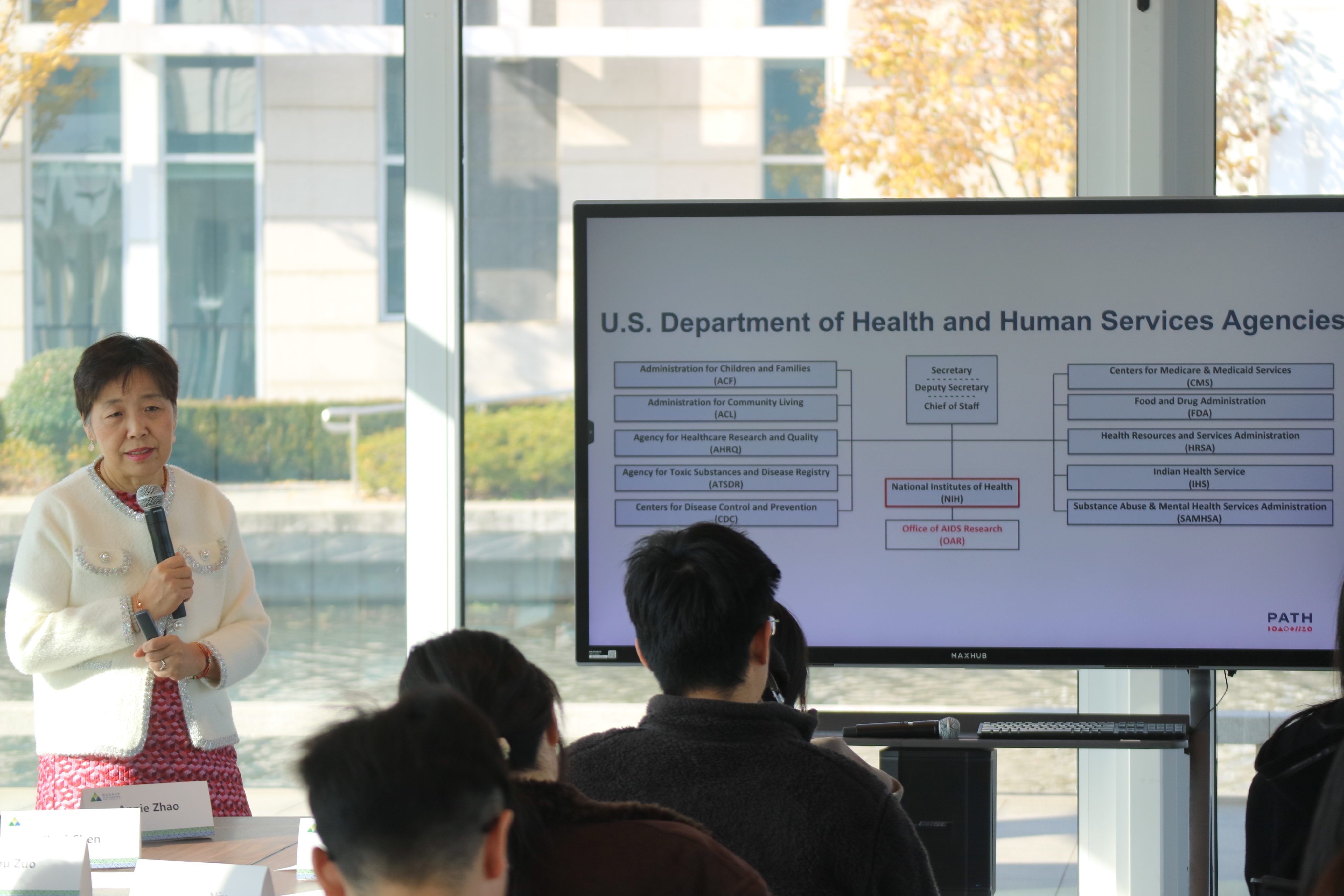
Dr. Guang Gao, Senior Technical Officer at PATH China, addressed the scarcity of health resources in underdeveloped regions. Drawing on PATH’s field experiences in COVID-19 response, malaria control, and polio eradication, he introduced end-to-end solutions including vaccine development, diagnostic tool iteration, and technology transfer. These efforts have benefited more than 259 million people worldwide.
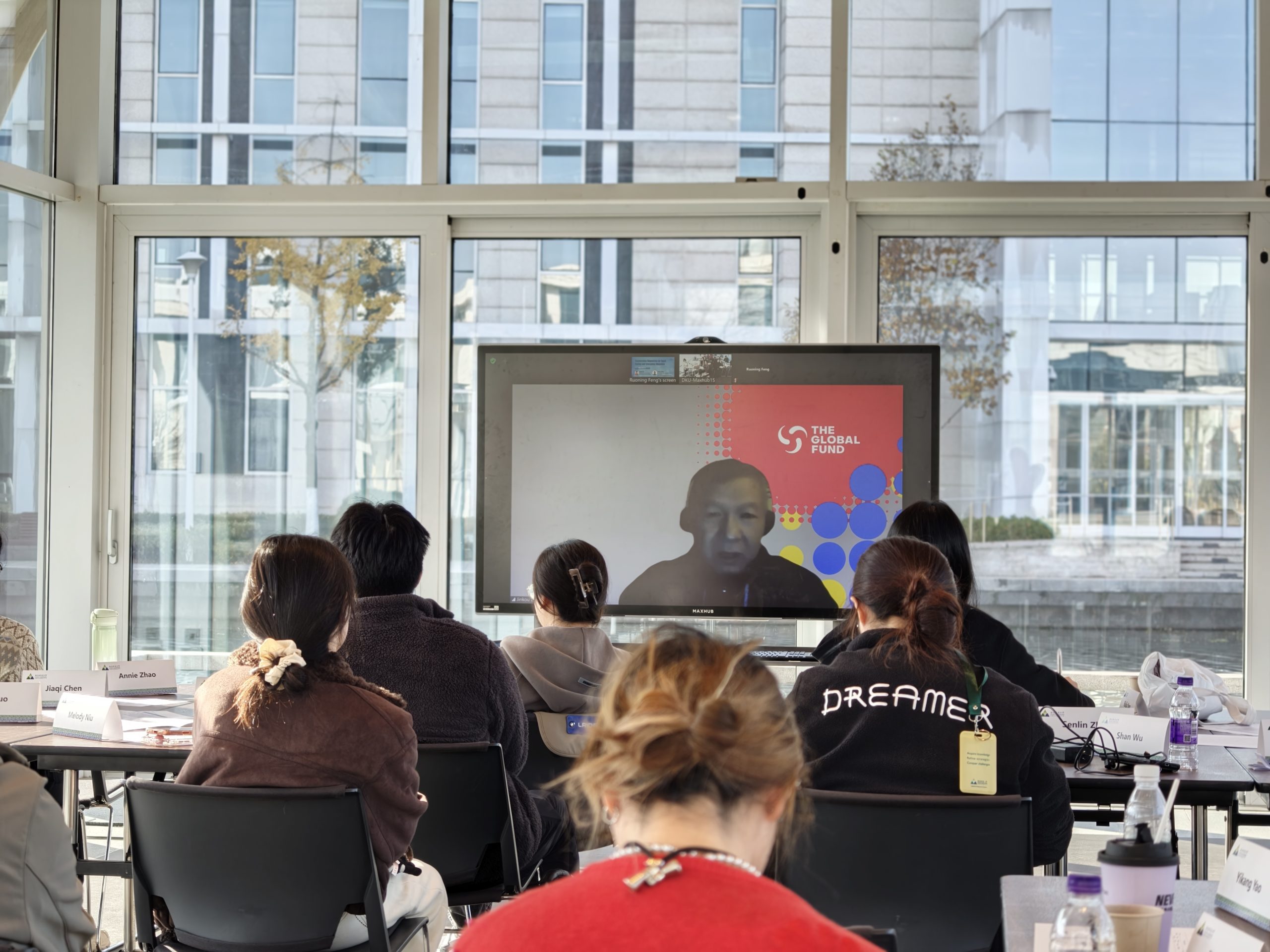
Dr. Jinkou Zhao from the Global Fund focused on the challenges of delayed detection and insufficient response in public health emergencies. He analyzed different types of innovative diagnostic technologies and strategies to improve accessibility, highlighting the critical role of early detection in mitigating the impact of epidemics.
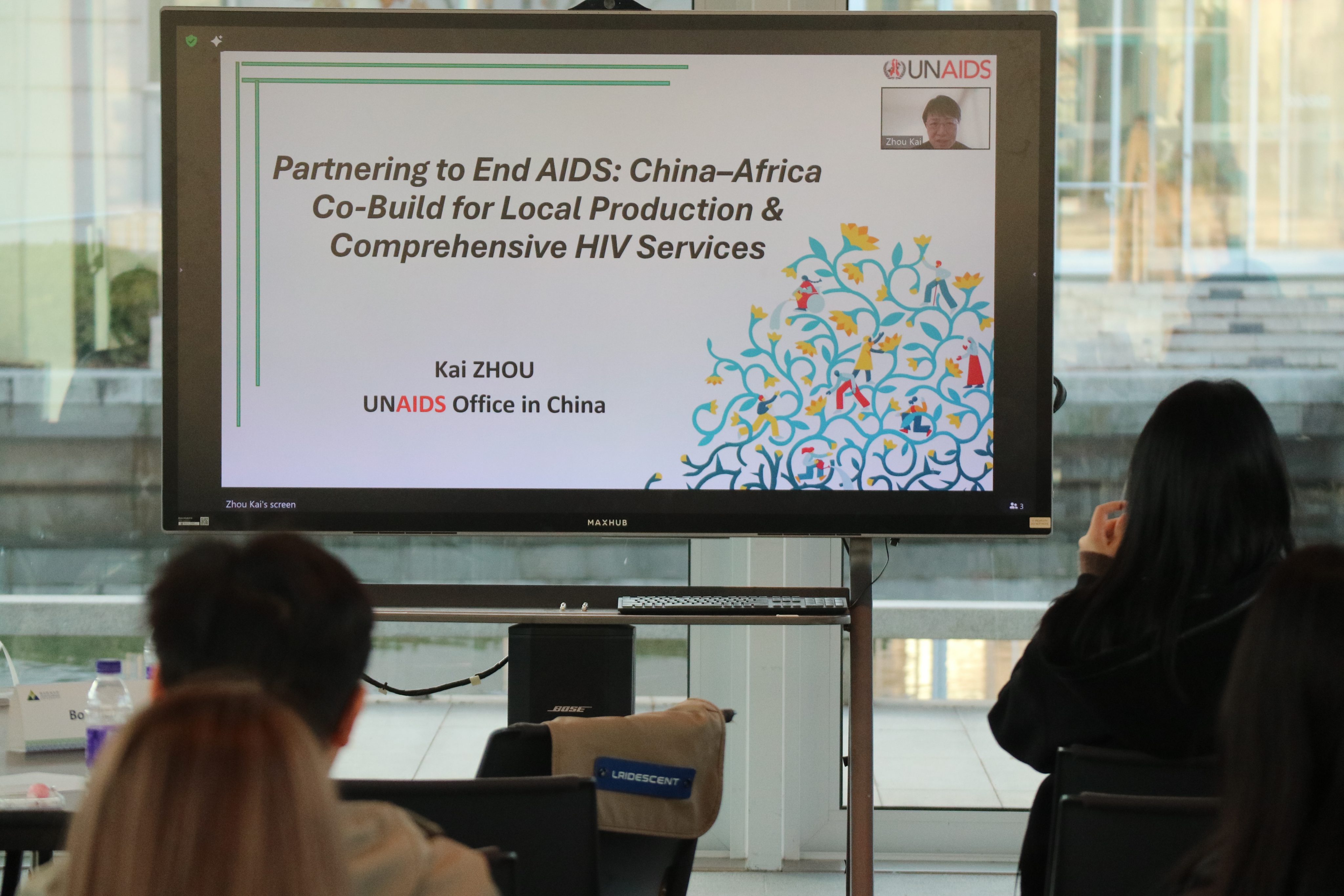
Dr. Kai Zhou from UNAIDS addressed the severe HIV epidemic and limited healthcare capacity in Africa. Drawing on first-hand experience from China–Africa cooperation, he proposed strategies such as “strengthening local production capacity, improving access to medical supplies, and building comprehensive HIV service systems”. He further explored how China can support Africa’s efforts to end AIDS through technology transfer and capacity-building partnerships.
Making Innovation More Actionable
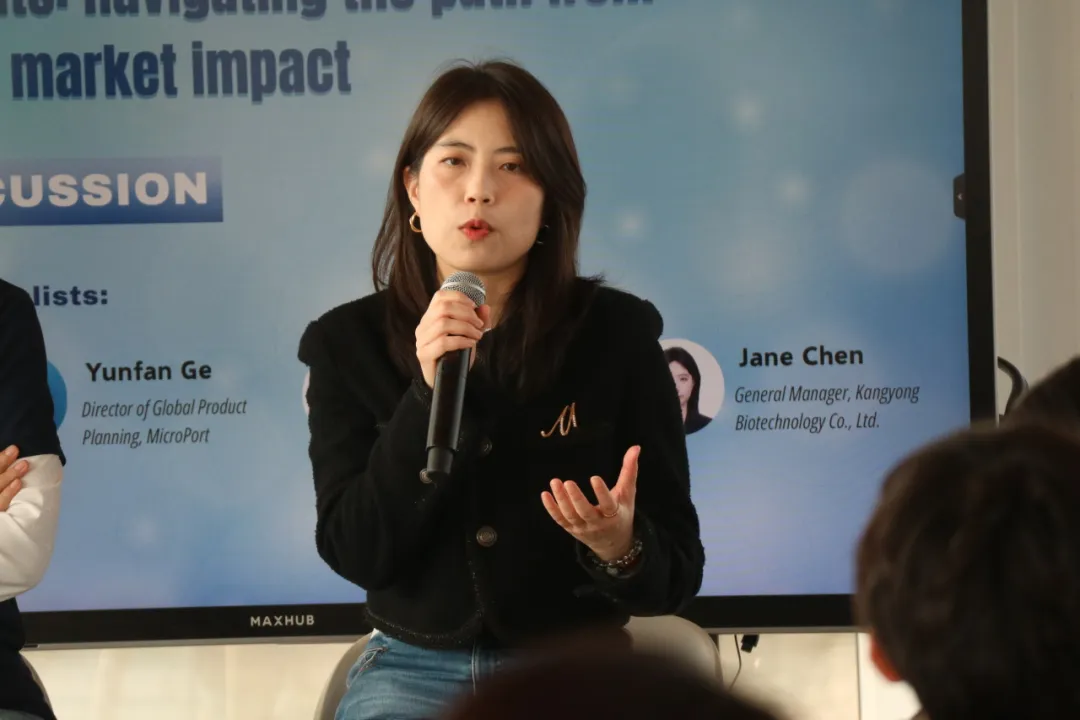
The second module focused on how technological innovation can reach the market and generate real-world impact through commercialization mechanisms. During a roundtable discussion titled From Innovation to Market Impact, three senior executives from the healthcare industry shared insights into the full lifecycle of a healthcare product—from research and development to end users—along with challenges of entering international markets and cross-sector pathways through which non-healthcare companies can provide solutions for the healthcare sector.
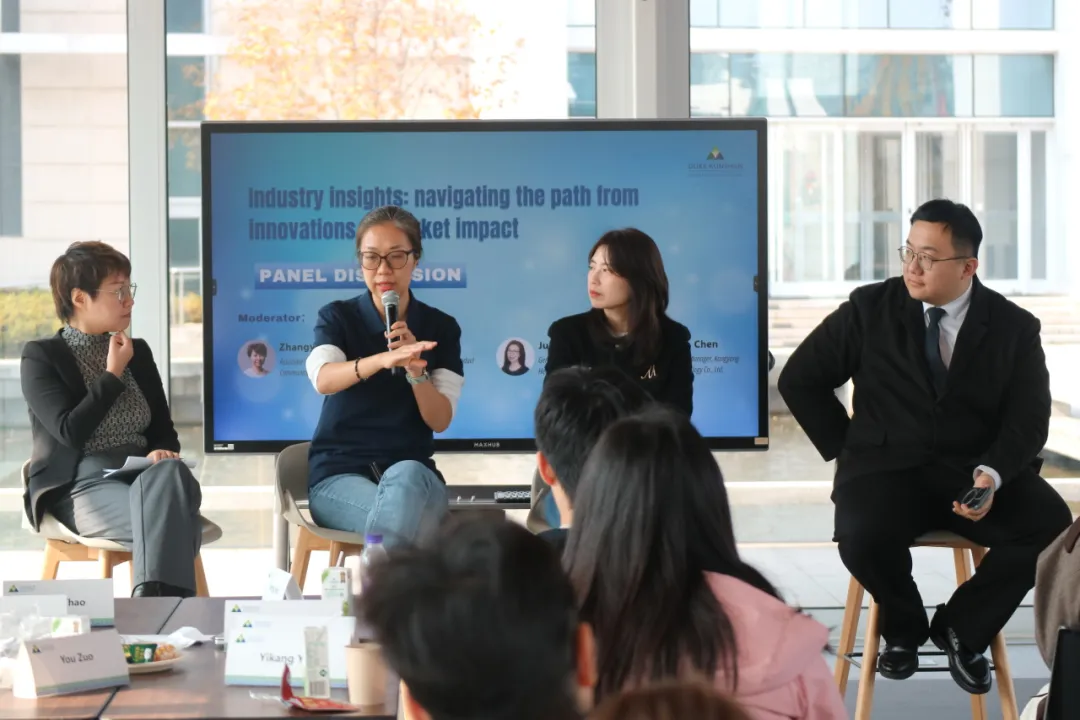
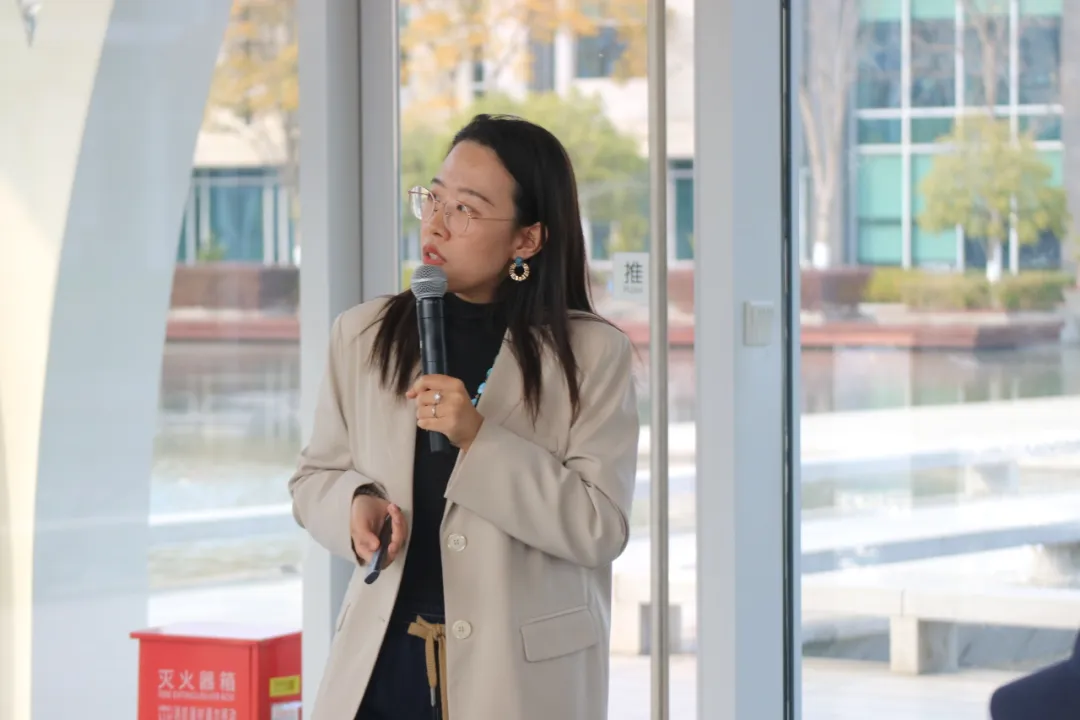
In response to students’ questions about how interdisciplinary talent can enter the global health field, Ye Zhu, General Manager of Tencent Health Consulting, noted that companies increasingly value interdisciplinary professionals. He emphasized that global health students should deepen disciplinary expertise while also expanding cross-sector experience, ultimately developing a “T-shaped skill set” that combines depth and breadth.
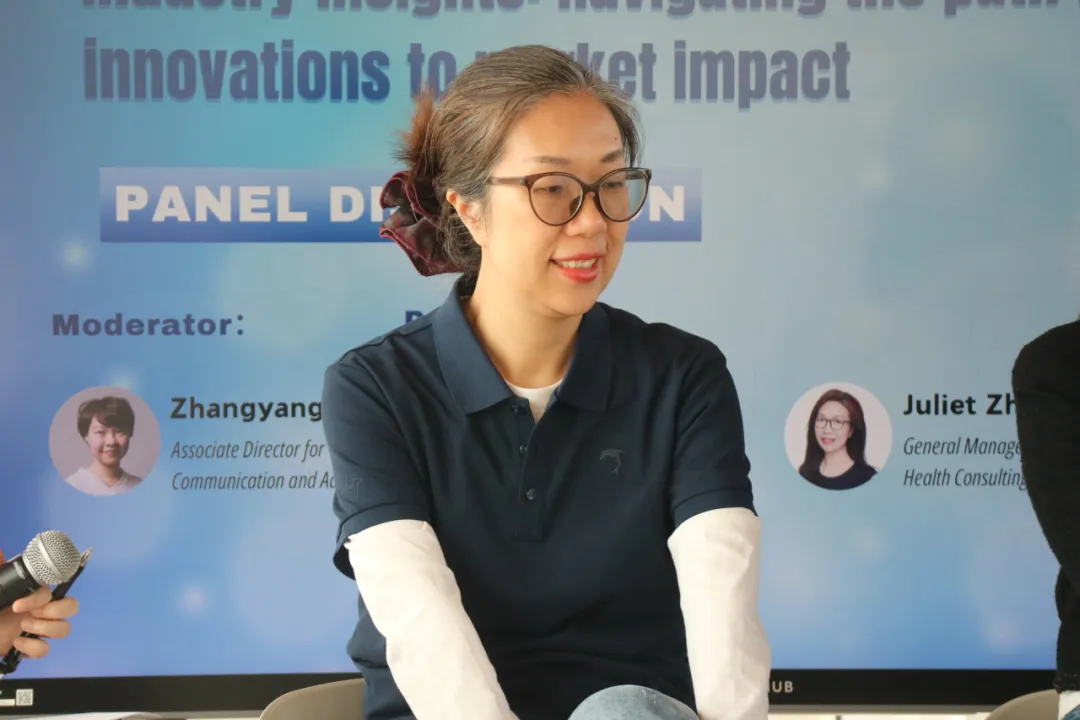
Lu Chen, General Manager of Prometheus Biotechnology Co., Ltd., encouraged students to identify their core competencies and select career pathways within specific global health subfields. She emphasized the importance of rapidly accumulating industry experience through internships, while also remaining flexible and open to opportunities beyond a single career track.
Beyond commercialization, students also explored how global health initiatives can be implemented and scaled within health systems through the topic of immunization programs. Dr. Xinyu Zhang, Assistant Professor of Global Health at Duke Kunshan University, shared experiences and challenges in introducing new vaccines and expanding immunization coverage in China and other Asian countries. Her session helped students understand that scaling and sustaining global health innovations in resource-limited settings requires systemic approaches, innovative solutions, and collaboration among multiple stakeholders.
Site Visits and Group Projects
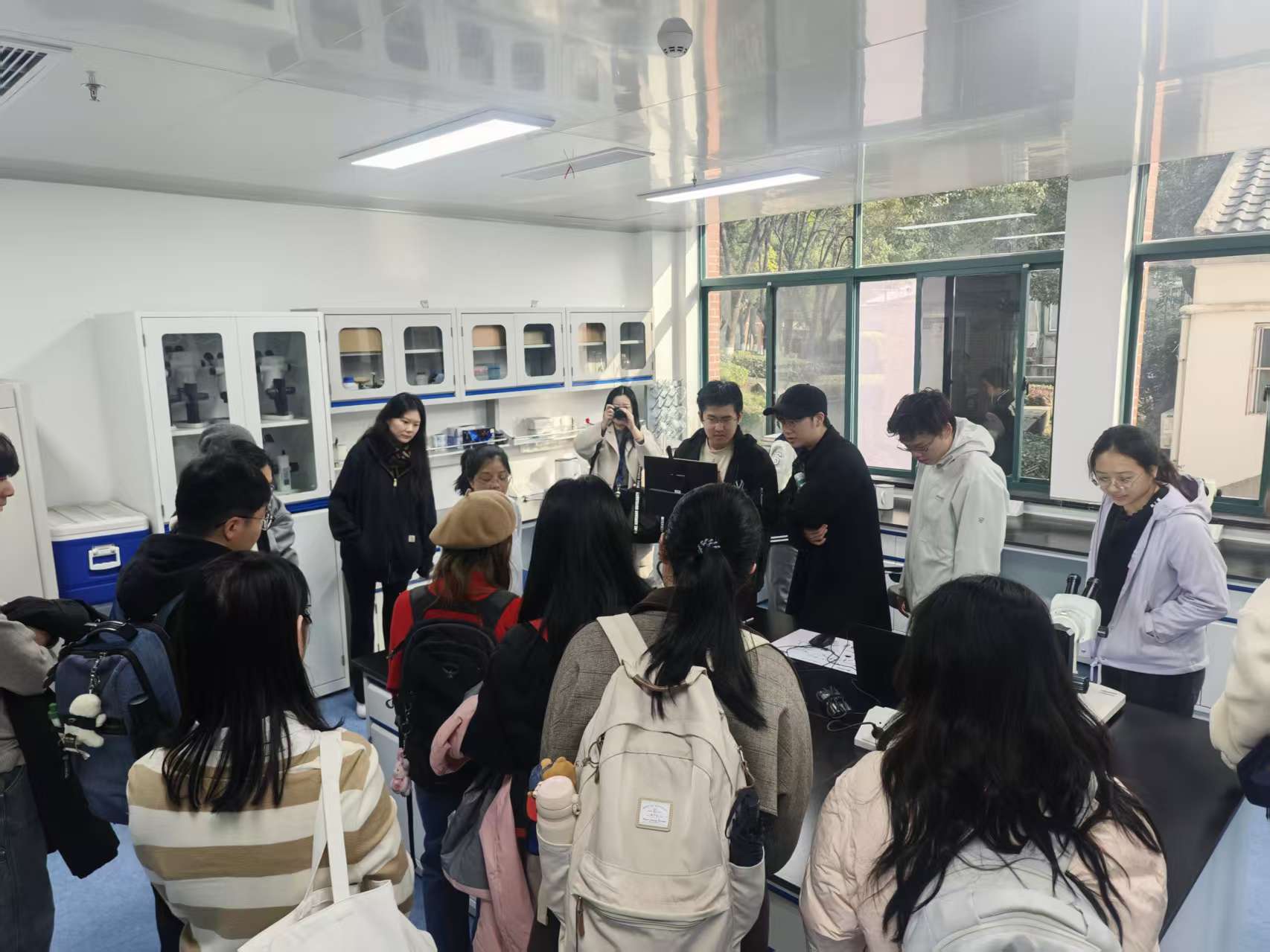
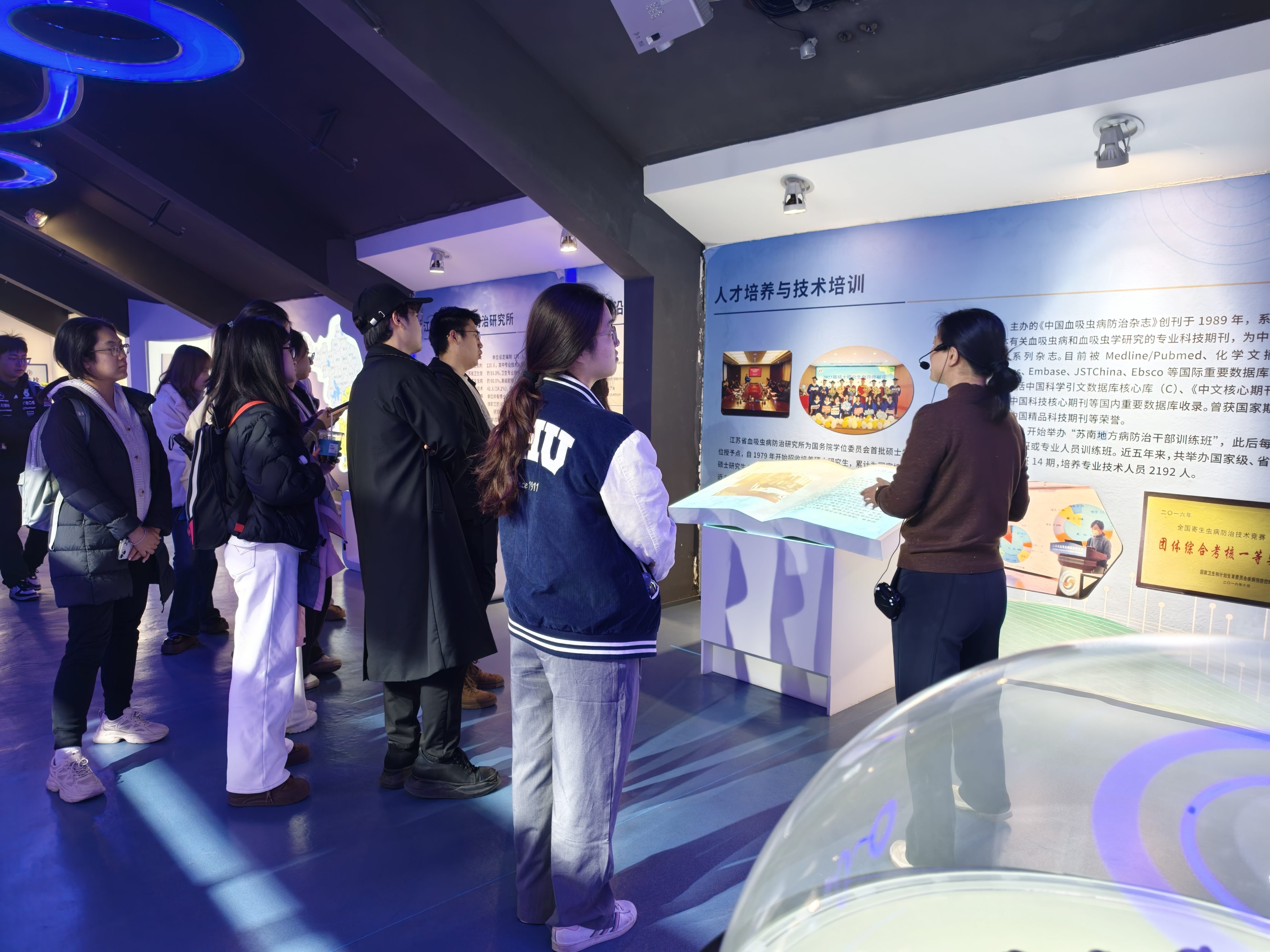
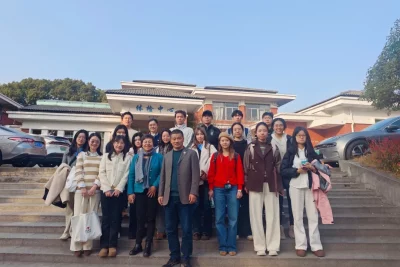
During the Winter Camp, participants visited the Jiangsu Institute of Parasitic Diseases (JIPD). Led by Director Dr. Jun Cao, students toured laboratories focusing on schistosomiasis and malaria vectors, as well as semi-field mosquito research sites. The visit provided first-hand insights into the history of parasitic disease control and China–Africa cooperation in schistosomiasis prevention and control.
Building on the three core modules, students worked in groups to address real-world challenges in global health innovation, including malaria preven5tion, market access for public goods, and intelligent disease diagnostics. Teams collaboratively explored solutions and presented their proposals on the final day of the Winter Camp.
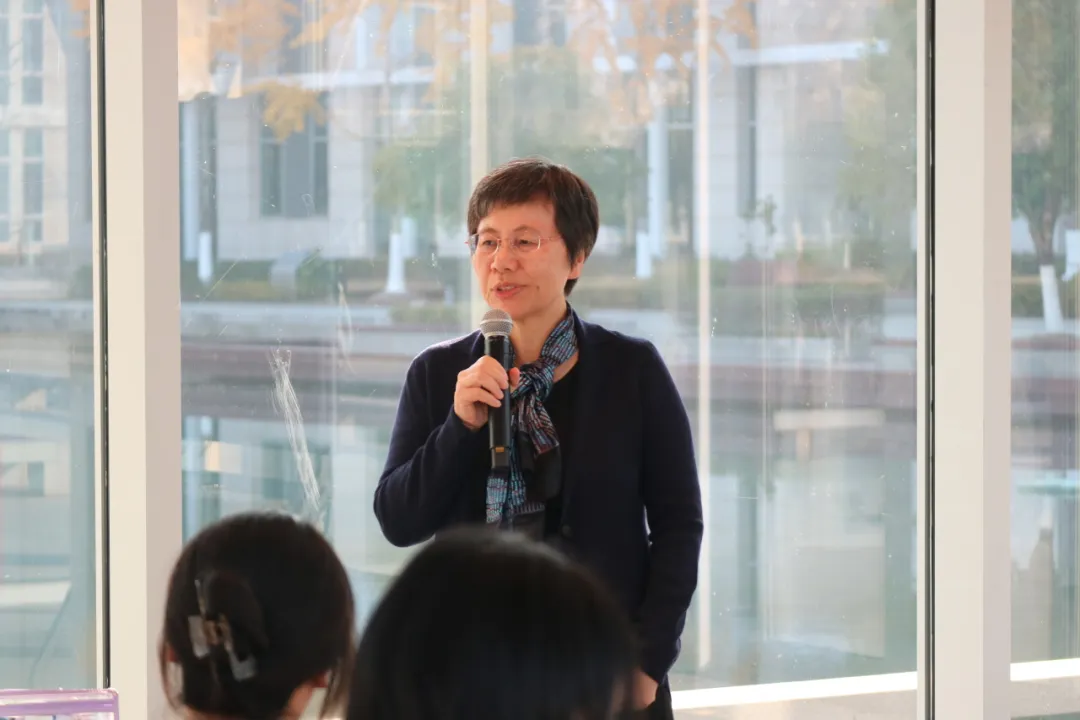
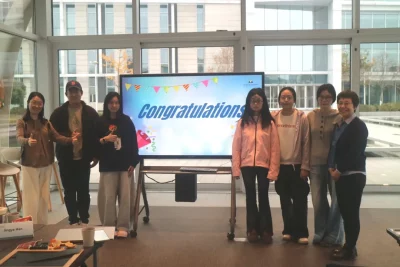
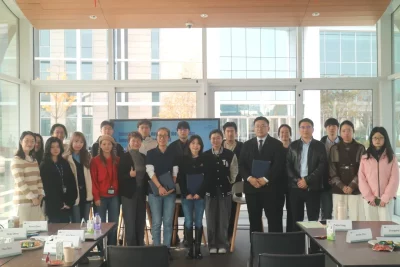
Professor Fujie Xu, Co-Director of the Global Health Program at Duke Kunshan University, presented awards to outstanding participants and delivered the closing remarks. She noted that though the Winter Camp had been held for the first time, it would continue in the future. The three-day program connected the full innovation chain in global health—from ideas to scaled implementation—and showcased students’ growth through case-based learning, industry engagement, and field practice. She encouraged students to carry forward the insights and interdisciplinary perspectives gained during the camp, to ground innovation in real-world needs, and to continue exploring sustainable solutions through future study and practice, contributing youthful energy and professional expertise to global health.
Student Reflections
You Zuo
Undergraduate Student, Global Health
This experience was truly inspiring for me. I am very grateful for the opportunity to participate and to learn from all the faculty and fellow students. The discussions and exchanges were extremely valuable, and the atmosphere was both welcoming and intellectually stimulating.
Xiaoyu Bai
Master’s Student, Class of 2027, Global Health
My favorite part was the alumni sharing and guest discussions on the second day. The alumni session aligned closely with our career interests and offered a new perspective on global health. The industry speakers provided insights very different from academic content and offered valuable networking opportunities and industry knowledge.
Bo Chen
Master’s Student, Class of 2027, Global Health
This was a great opportunity to engage with experienced professionals in the global health field. I gained valuable insights from both industry and NGO perspectives. The group presentation also allowed me to collaborate with peers to explore innovative possibilities in global health.
Sunan Mei
Master’s Student, Class of 2027, Global Health
I sincerely appreciate this event for providing opportunities to interact with experts, scholars, and alumni. I hope similar activities will be held more frequently in the future.