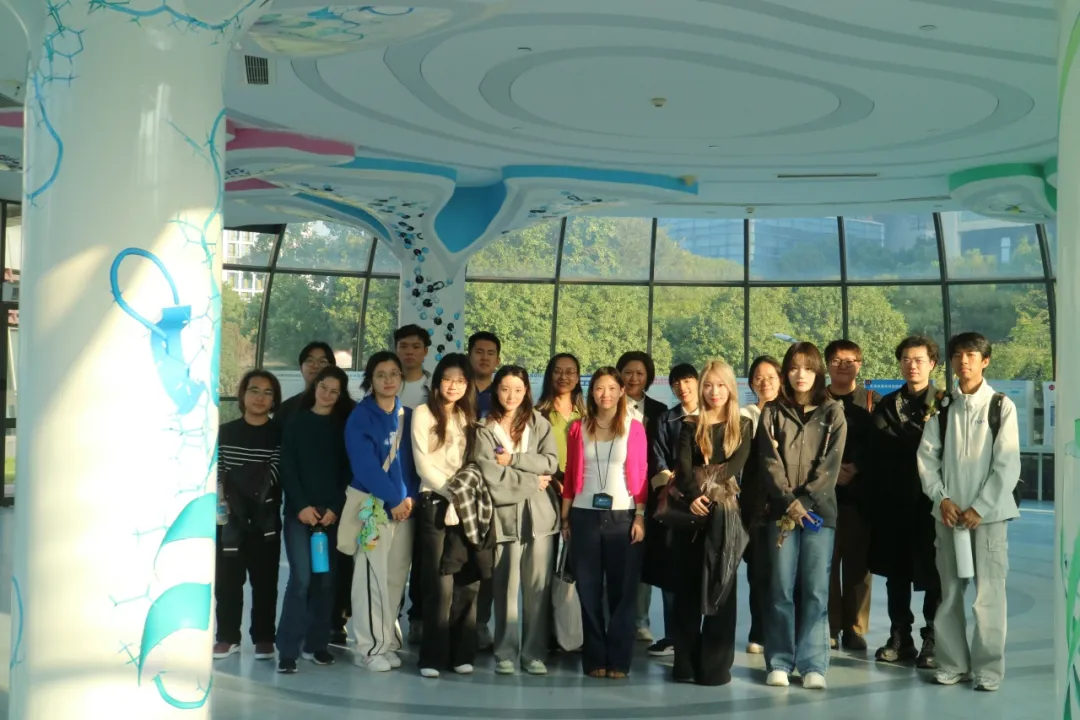
On October 24, thirteen MSc Global Health students from the Class of 2027, together with six undergraduate students, participated in a field visit to the Oriental China Cardiovascular Medicine Museum and the Cold Spring Harbor Asia DNA Learning Center in Suzhou Industrial Park.
The visit was organized by Professor Lijing Yan from the Duke Kunshan University Global Health Research Center. As an integral component of the Master of Global Health curriculum, the field visit adopted an “immersive experience plus academic engagement” approach, connecting students with cutting-edge industry resources and deepening their understanding of both theory and practice in global health.
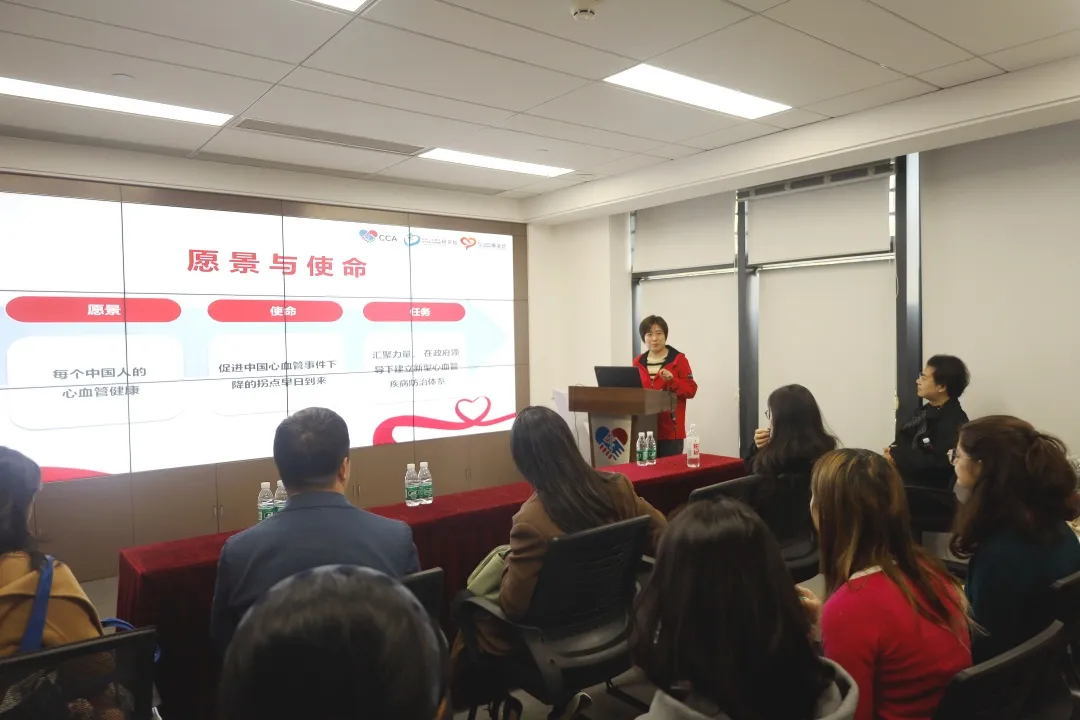
The group first arrived at the Oriental China Cardiovascular Medicine Museum. As a professional institution dedicated to advancing cardiovascular health, the Institute is guided by the core vision of “safeguarding the cardiovascular health of the Chinese population.” It has established a comprehensive service platform that integrates public health education and prevention, system development, and academic research.
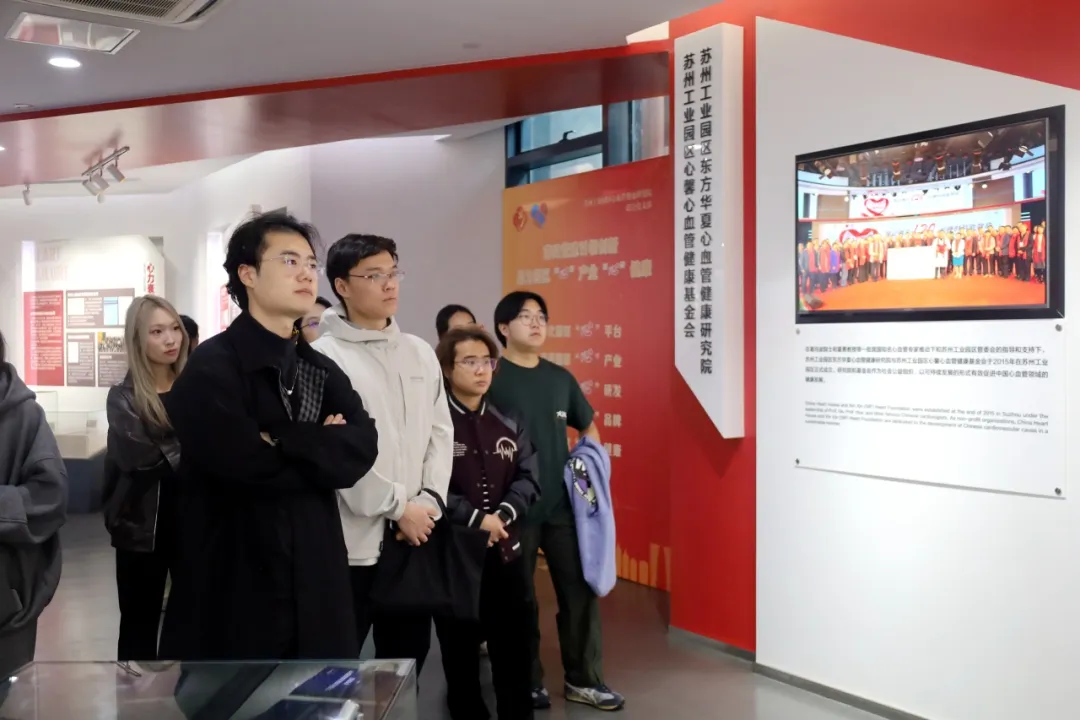
According to staff, the Institute has established a comprehensive, whole-process prevention and treatment system for cardiovascular diseases, comprising seven specialized centers, including those for chest pain, atrial fibrillation, and heart failure. The Chest Pain Center serves as the key entry point, optimizing the workflow from pre-hospital emergency care to in-hospital emergency services and catheterization laboratories, while establishing regional collaborative treatment networks. These efforts have reduced the door-to-balloon (D2B) time for patients with myocardial infarction to 90 minutes or less.
In parallel, the Atrial Fibrillation Center standardizes anticoagulation therapy to prevent stroke, the Heart Failure Center strengthens continuous care management, and the Hypertension Control Center extends services to primary care settings to improve blood pressure control rates. Supported by unified accreditation standards and data-sharing platforms, the seven centers operate in coordination and are being expanded to county-level regions, achieving seamless integration across prevention, treatment, and management.
With staff guidance, students also visited the China Cardiovascular Museum, where they learned about major milestones in global cardiovascular diagnosis and treatment, as well as the development of cardiology in China. The exhibition traced the evolution of cardiovascular research technologies and international exchanges. Historical prescriptions, handwritten manuscripts, academic works by senior experts, and archival images documenting domestic and international collaborations enabled students to gain a tangible understanding of the scholarly spirit of previous generations and the developmental trajectory of China’s cardiovascular field.
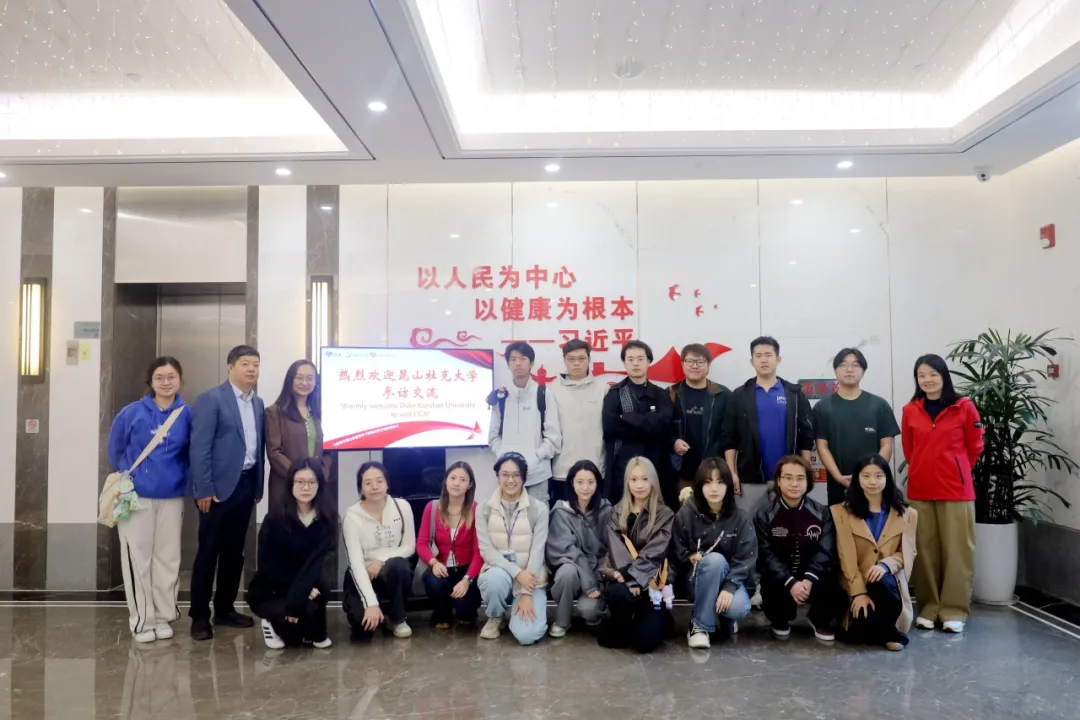
In the afternoon, the group visited the Cold Spring Harbor Asia DNA Learning Center, an important platform in Asia dedicated to DNA science education, life science outreach, and interdisciplinary exchange. The center is established on the basis of the resources and educational philosophy of the internationally renowned Cold Spring Harbor Laboratory (CSHL) in the United States.
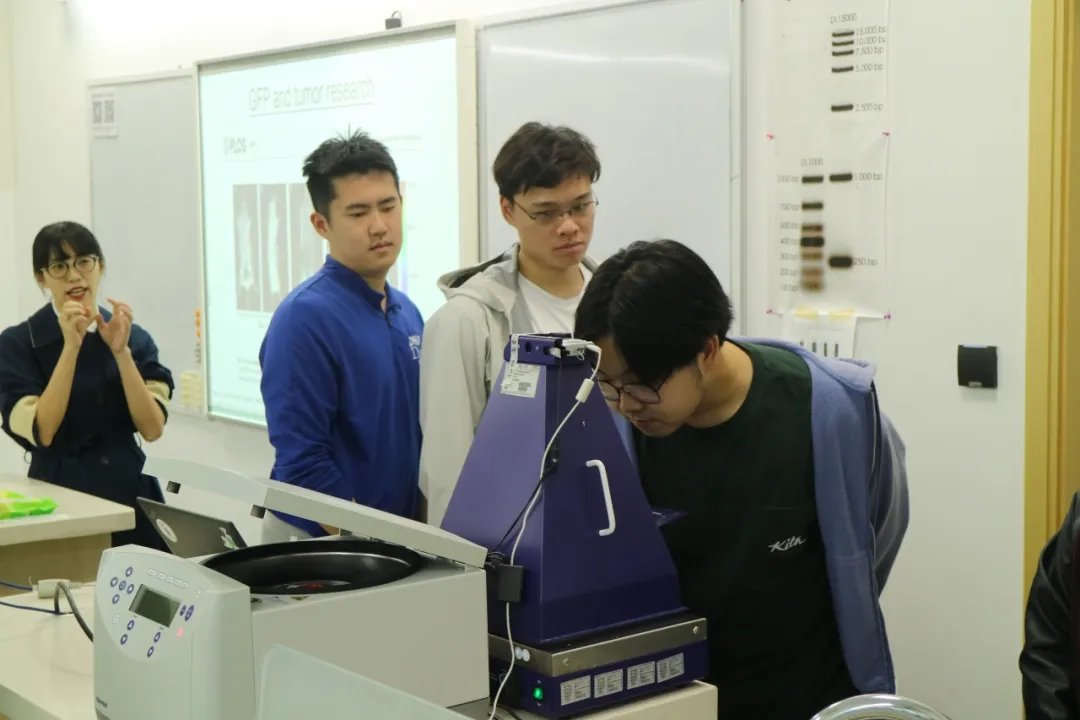
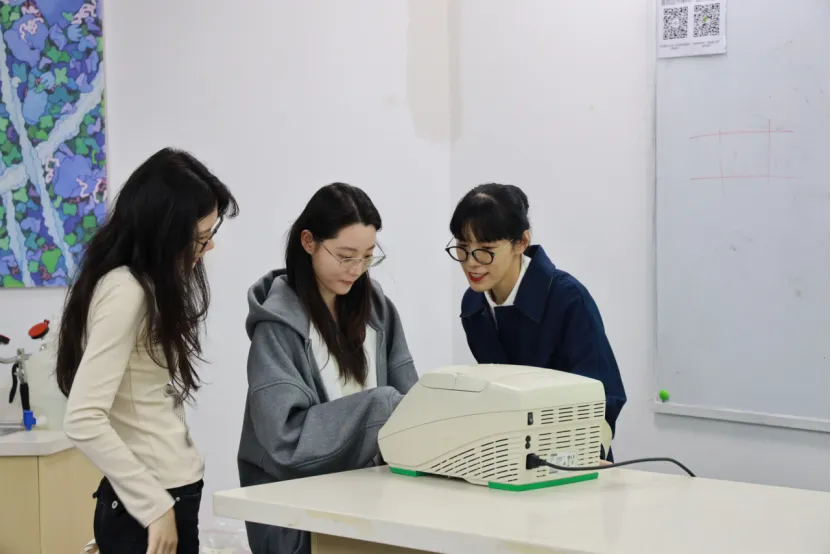
Dr. Xiaomei Jiang delivered a specialized lecture, offering students direct exposure to cutting-edge DNA science technologies and research outcomes. She systematically introduced tumor research using GFP-labeled mouse models, explained the association between the MT-RNR1 gene and aminoglycoside-induced hearing loss and its preventive implications, and presented the principles and key advantages of nanopore sequencing technology. Students also participated in hands-on activities such as DNA extraction, gene sequencing, and molecular biology laboratory techniques, transforming abstract life science theories into concrete, practical understanding. Through exposure to international collaboration cases and interdisciplinary research directions in the life sciences, students further broadened their academic perspectives.
Duke Kunshan University remains committed to deepening collaboration with professional research institutions. Through cross-disciplinary cooperation and exchange, the university provides students with opportunities to engage closely with industry frontiers, supporting their future research endeavors and career development.