Duke Kunshan University Elected as the Chair Institution of Chinese Consortium of Universities for Global Health
25 August 2015
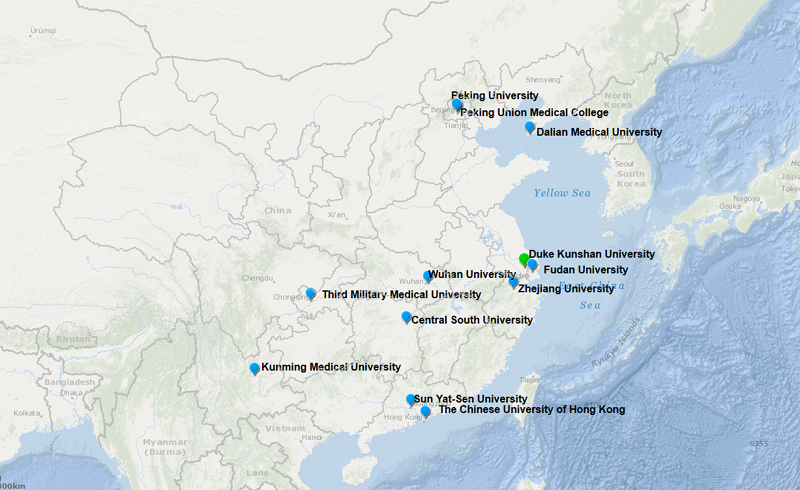
The CCUGH aims to build interdisciplinary collaborations and facilitate the sharing of knowledge among Chinese member universities to address global health challenges. It assists members in sharing their expertise across education, research, and service. CCUGH promotes mutually beneficial, long-term partnerships among member universities, developing human capital and strengthening institutions’ capabilities to address these challenges.
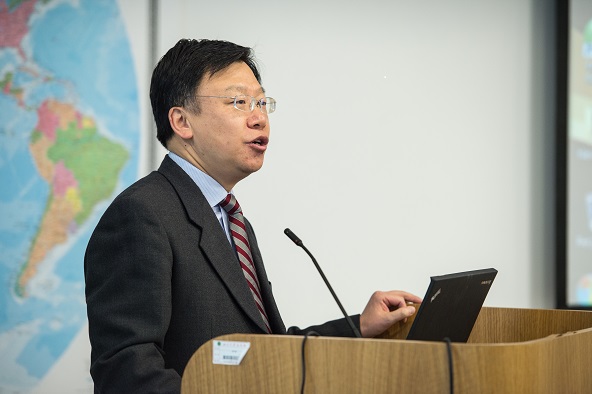
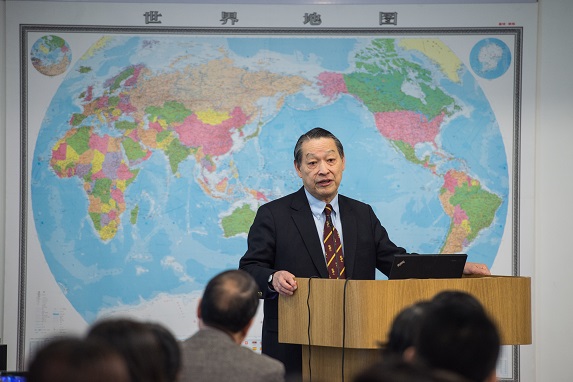
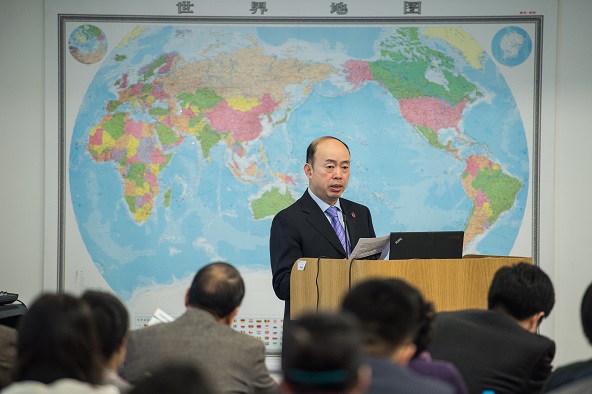
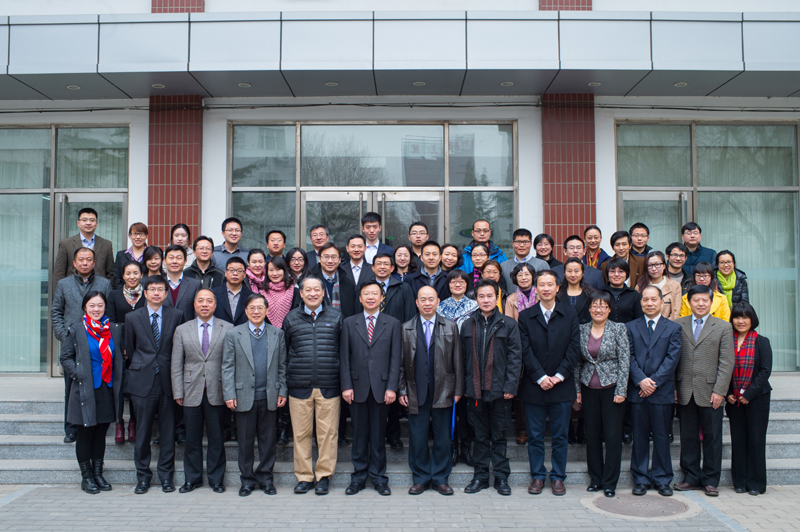
On March 14th-15th, 2015, The CCUGH held its first annual conference at Peking University Health Science Center. Global health leaders and experts from National Health and Family Planning Commission (NHFPC), Chinese Center for Disease Control and Prevention (China CDC), China Medical Board and top Chinese universities gathered in Beijing to discuss the development of global health in China and the role of Chinese universities in this area. Professor Shenglan Tang, Professor Lijing Yan and other research staff from Duke Kunshan University Global Health Research Center (DKU GHRC) attended this conference.
The first CCUGH annual meeting featured the multidisciplinary presentations on the most the significant global health event in 2014’the war on Ebola, and covered major topics in global health engagement for China, especially Chinese Universities. Dr. Minghui Ren, director general of international cooperation at NHFPC, gave a speech on global health governance in view of Ebola control and emphasized China’s active participation in handling global health emergencies. Professor Peilong Liu, department director for global health at Peking University and CCUGH chair elaborated on the four areas in which China contributes to global health: medical team deployment, facility construction, drug and equipment, and personnel training. Professor Shenglan Tang, DKU GHRC director and CCUGH vice chair delivered a speech on the establishment and development of global health in Chinese Universities, and stressed the importance of building global health entity, involving more stakeholders and making better use of existing resources in universities. Professors from other universities of CCUGH also presented their views and accomplishments in the development of global health research education from multiple perspectives. DKU research staff took this opportunity to establish connections with researchers from other universities and discussed opportunities for future collaboration.
At the end of conference, global health experts exchanged views on priorities and specific needs for promoting and developing global health in Chinese universities. CCUGH will continue to seek collaborators from both within China and abroad, and lead the development of global health research and education in China. The next CCUGH annual conference will be held in DKU.
The CCUGH has actively started international outreach since it was founded. For example, it sent representatives to attend the Consortium of Universities for Global Health (CUGH) Conference in the US and the Prince Mahidol Award Conference in Thailand last year. In the future, it will host global health conferences and activities at home and abroad and develop partnerships with CUGH in promoting the development of global health discipline in Chinese universities.