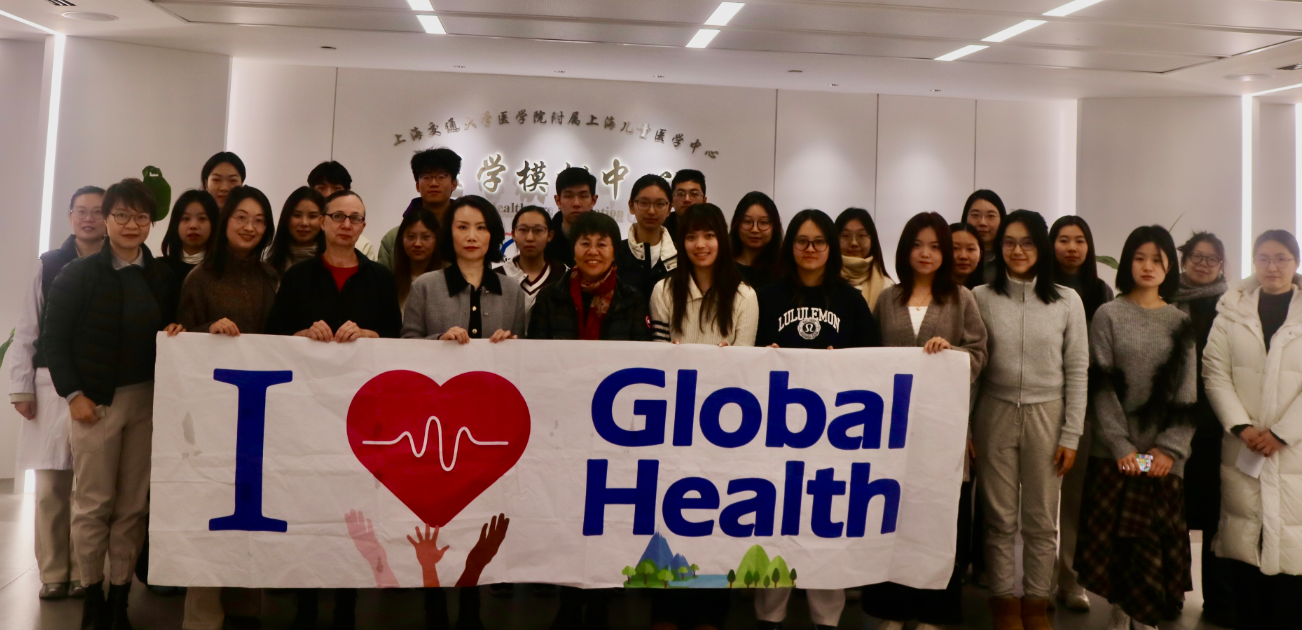
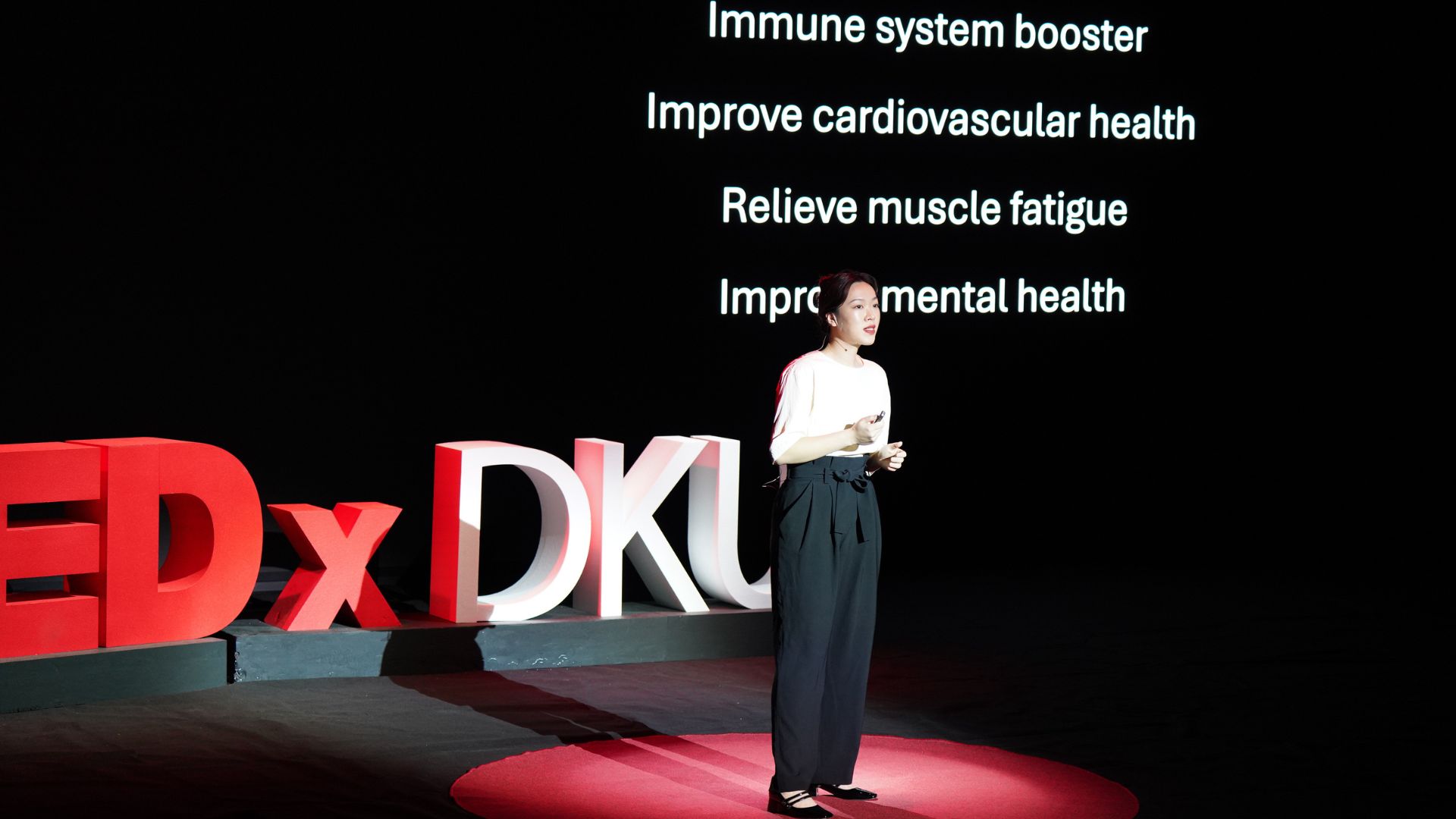
Seven Students, Four Projects, selected for the DKU Innovation Challenge!
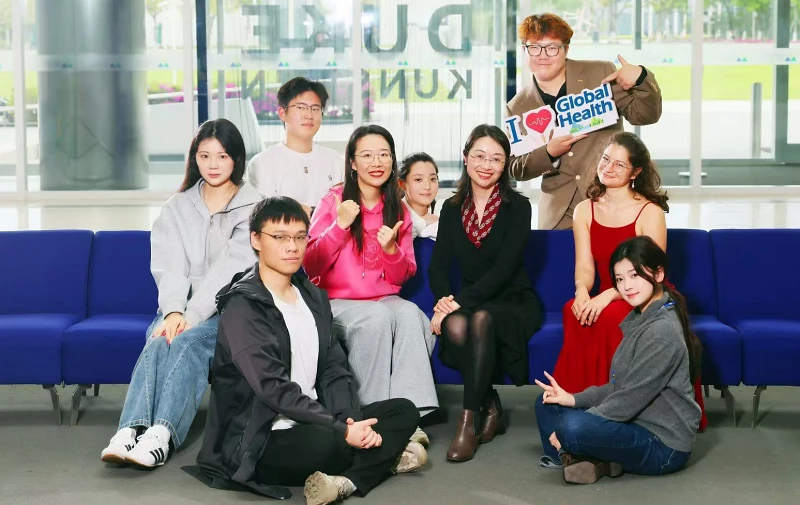
Duke Kunshan University recently launched the 5th Duke Kunshan University Innovation Challenge (“DaChuang”), centered around the theme of “Innovation · Connection.” The competition spurred a new generation of creators to look beyond what they build and consider how innovative thinking can open doors to wider impact.
Read More
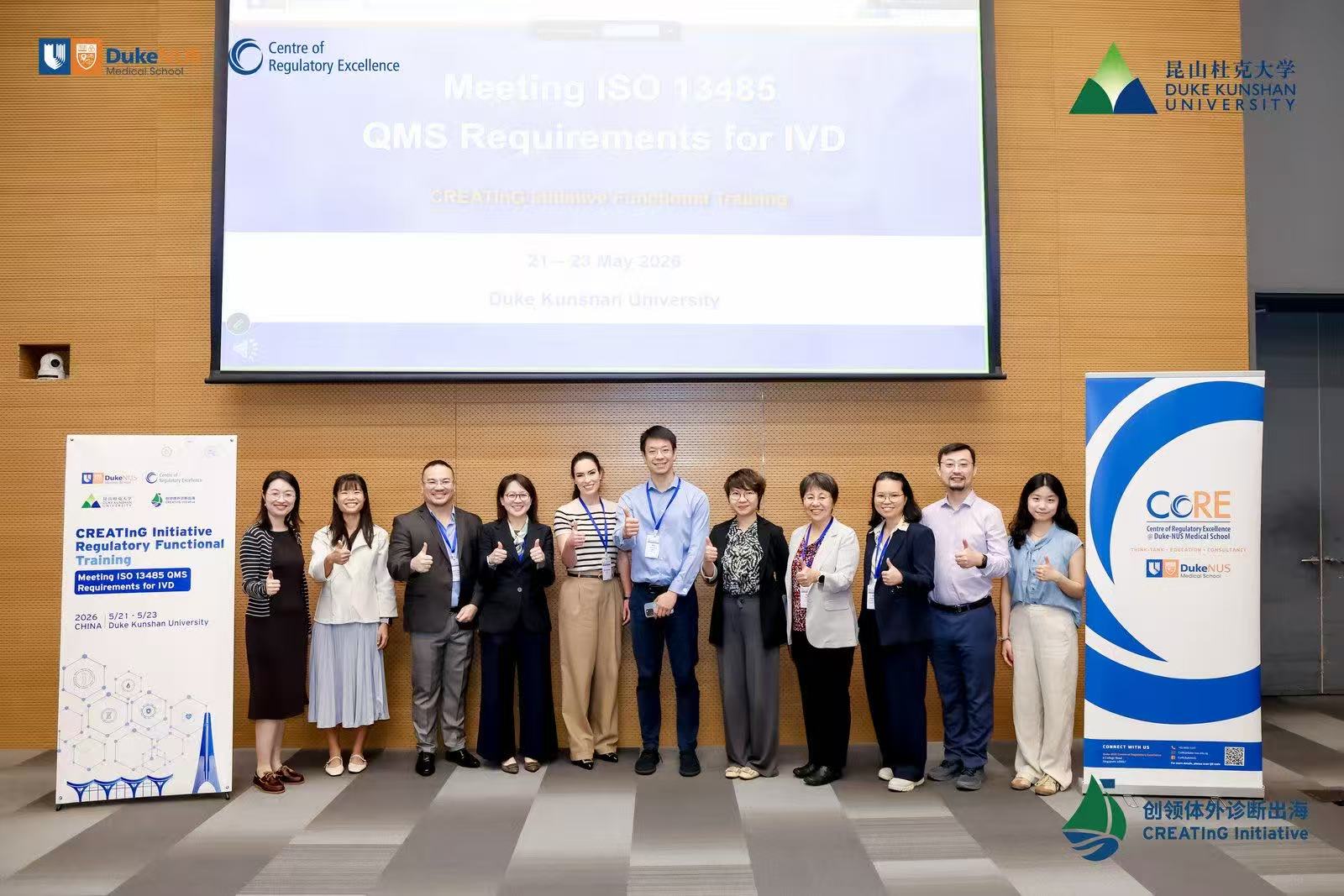
“CREATInG Initiative” Concludes Regulatory Functional Training, Paving the Way for Global IVD Market Access
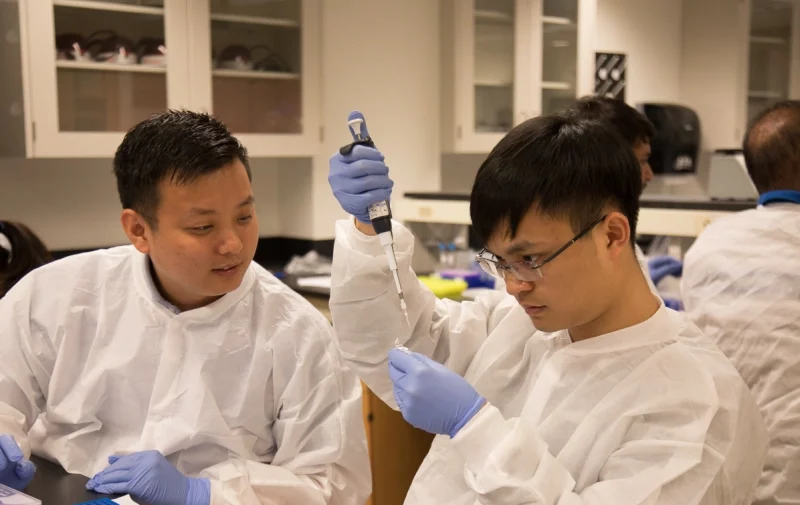
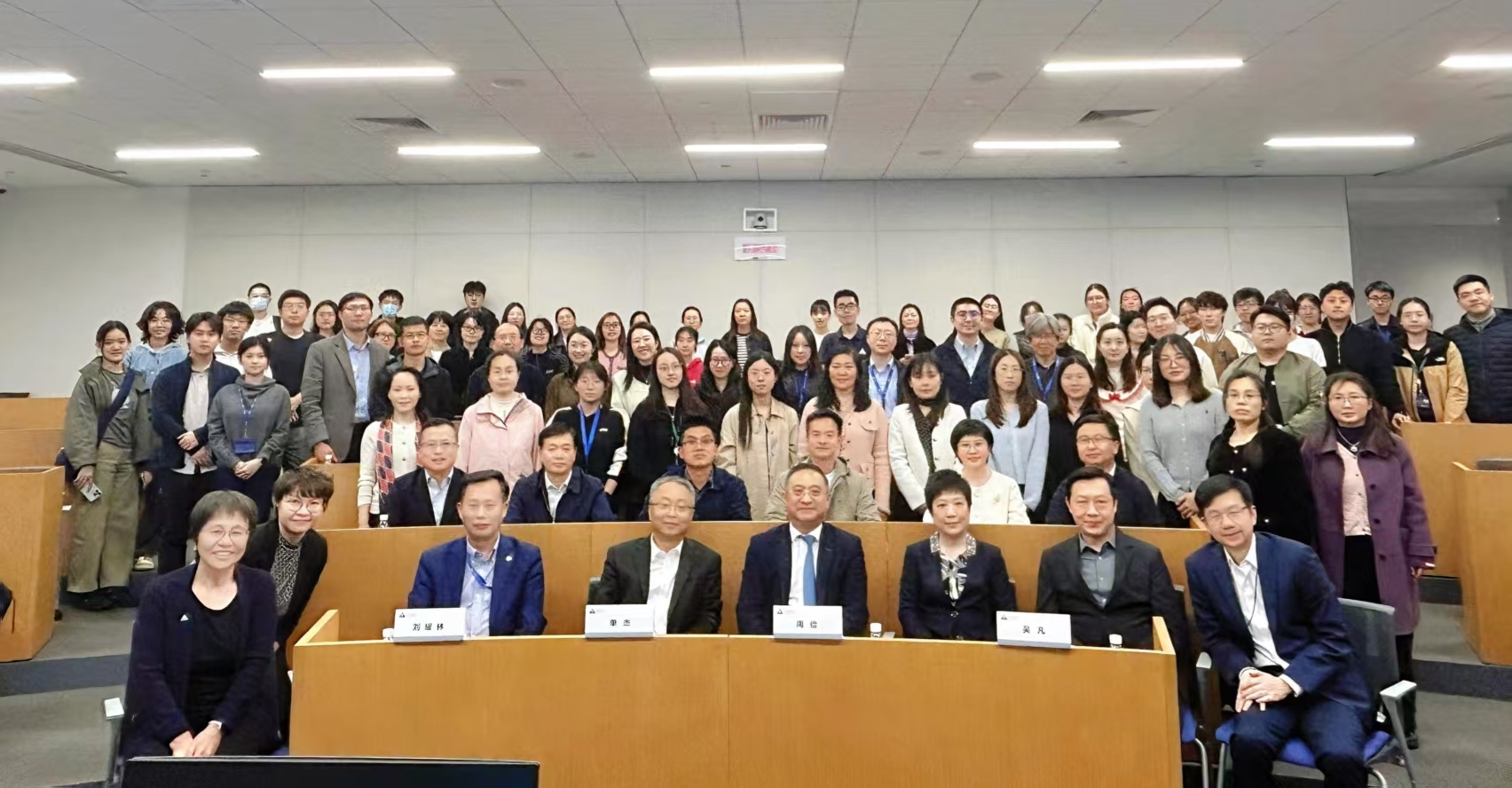
The inaugural “Regulatory Functional Training,” a core module of the “CREATInG Initiative” (China Regulatory Excellence and Training for In-vitro Diagnostics Global Initiative), successfully concluded at Duke Kunshan University from November 10th to 12th. This marks the third major activity under the initiative, following an international roundtable and an executive workshop.
Read More
Previous slide
Next slide

PROGRAM OVERVIEW

The vision of the Global Health Program at Duke Kunshan University is to
promote health equity and improve health for all in China and worldwide.

Global Health Research Center​

The Global Health Research Center was established in 2013 and co-founded by Duke Kunshan University and the Duke Global Health Institute. Through conducting high-quality research, the Center aims to provide policy recommendations, and explore innovative solutions to national and global health challenges.
Explore More

Master of Science in Global Health​

The MSc-GH program has been an academic pioneer at DKU since 2014. With a rich history and a diverse student body, our program stands out for its high-quality curriculum and varied extracurricular activities, fostering an excellent learning environment to propel students toward their career goals.
Explore More

Dr. Shenglan Tang

Co-Director, the Global Health Program, Duke Kunshan University

Dr. Fujie Xu

Co-Director, the Global Health
Program, Duke Kunshan University

Read Our Directors’ Message​

OUR EDUCATION

Train the next generation of global health leaders through three educational programs
— undergraduate, graduate, and professional

Students Field Experiences
Immersive learning defines DKU’s approach to global health education. Following the foundational academic coursework in the first year, MSc-GH students embark on a mentor-guided, 10-week field study during the summer. These research projects allow students to connect classroom lessons in a practical context, while also engaging them in underserved communities experiencing health disparities. Since 2014, students have conducted field projects in over 20 countries across six continents.
Previous slide
Next slide
OUR RESEARCH

Conduct high-quality innovative research in the three priority research domains
— health system and policy, population health and wellbeing, and health security and environment

In 2024,

10,094,728

external funding received (amount in CNY)

97

Research papers

61%

as first or correspondent authors

Top 1%

ranked among the Essential Science Indicators Global Top 1% in Clinical Medicine for seven consecutive years

COLLABORATION AND TRANSFORMATION

Foster cross-border and intercultural understanding, communications, and collaborations
in health research, education, knowledge translation, and policy transformation

In 2024,

Policy Briefs including 2 student-led WHO policy briefs

70+

Media Reports for policy advocacy

24

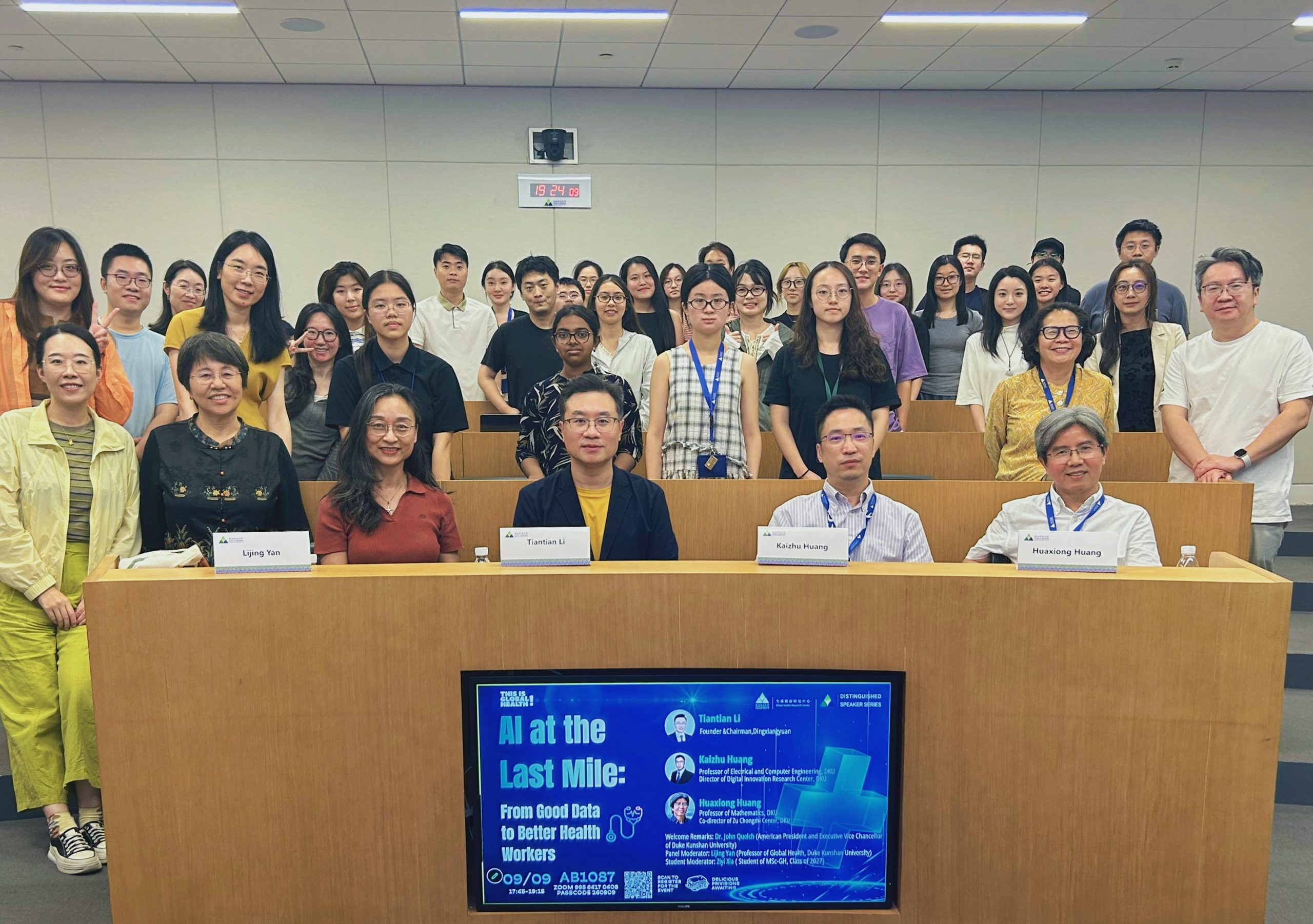
Global Health Symposiums and Workshops hosted

57

Conference Presentations and Invited Talks
10 with students engaged

As of 2023, the program has established cooperation and contacts with more than fifty academic and research institutes, United Nations agencies, international and nongovernmental organizations, and health-related industries in more than thirty countries across Africa, Asia, Australia/Oceania, Europe, North America, and South America. Partnerships with Duke Global Health Institute, SingHealth Duke-NUS Global Health Institute and Wuhan University offer opportunities for exchange of students and faculty. The Global Health Program at DKU also hosted nine research fellows from America, Bangladesh, Peru, Rusia, Hong Kong and other Chinese universities.